
.png)
.png)

.png)
Exploring the Origins of New England Hazy IPA and Its Differences from Traditional IPAs
- May 11
- 3 min read
The craft beer world has seen many styles come and go, but few have sparked as much excitement and debate as the New England Hazy IPA. This beer style stands out with its cloudy appearance, juicy flavor, and smooth mouthfeel, offering a fresh take on the classic India Pale Ale (IPA). Understanding where the New England Hazy IPA came from and how it differs from traditional IPAs helps beer lovers appreciate the creativity behind this popular style.
The Birth of New England Hazy IPA
The New England Hazy IPA originated in the northeastern United States, particularly in the New England region, during the early 2010s. Brewers in this area sought to create an IPA that emphasized juicy, fruity hop flavors without the intense bitterness typical of traditional IPAs. This led to experimenting with new brewing techniques and ingredients.
Key factors that shaped the style include:
Use of specific hop varieties: Brewers favored hops known for tropical and citrus fruit aromas, such as Citra, Mosaic, and Amarillo.
Late hop additions: Adding hops late in the brewing process or during fermentation helped preserve delicate aromas and flavors.
High protein grains: Ingredients like oats and wheat were added to create a fuller body and contribute to the characteristic haze.
Minimal filtration: Unlike traditional IPAs, these beers were left unfiltered to maintain their cloudy appearance.
This combination resulted in a beer that looked different and tasted softer and fruitier than the sharper, clearer IPAs that dominated the market.
Appearance and Mouthfeel Differences
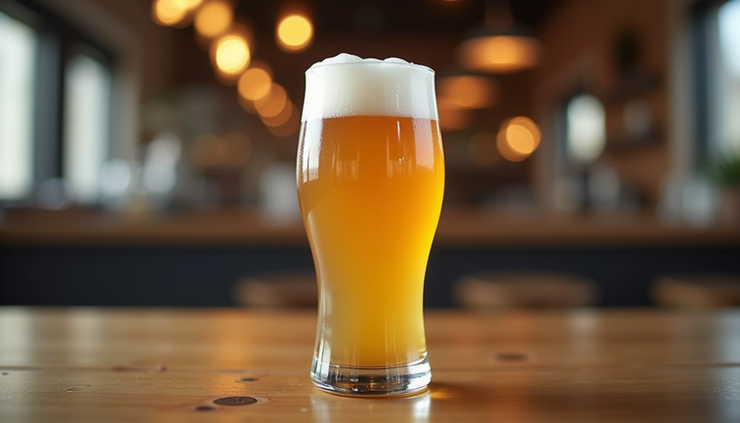
One of the most obvious differences between New England Hazy IPAs and traditional IPAs is their appearance. Traditional IPAs are usually clear or slightly hazy with a golden to amber color. In contrast, New England Hazy IPAs are distinctly cloudy or opaque, often with a pale yellow to orange hue.
This haze comes from suspended yeast, proteins from grains like oats, and hop particles. The haze is not just cosmetic; it affects the beer’s texture and flavor delivery.
The mouthfeel of New England Hazy IPAs is typically:
Smoother and creamier due to the use of oats and wheat.
Less bitter, making them more approachable for drinkers sensitive to bitterness.
Juicier, with a fuller body that enhances the perception of fruit flavors.
Traditional IPAs tend to have a lighter body and a more pronounced bitterness that balances the malt sweetness.

Flavor Profiles and Aromas
Traditional IPAs often showcase pine, resin, and floral hop notes with a firm bitterness. The bitterness is a defining trait, designed to balance the malt backbone and provide a crisp finish.
New England Hazy IPAs focus on:
Tropical fruit flavors like mango, pineapple, and passion fruit.
Citrus notes such as orange, tangerine, and grapefruit.
Low bitterness, allowing hop flavor and aroma to shine without harshness.
This juicy, fruit-forward profile appeals to drinkers who prefer a softer hop experience. The aroma is often intense and fresh, thanks to dry hopping during or after fermentation.
Brewing Techniques That Set Them Apart
The brewing process for New England Hazy IPAs differs in several ways from traditional IPAs:
Mash temperature: Brewers often use a higher mash temperature to create more dextrins, which add body and sweetness.
Hop timing: Hops are added late in the boil, during whirlpool, and heavily during dry hopping to maximize aroma and flavor without extracting excessive bitterness.
Yeast strains: Some brewers use specific yeast strains that contribute fruity esters and help maintain haze.
Cold crashing: This step is often skipped or minimized to keep the beer hazy.
Traditional IPAs usually have more hop additions during the boil and are often filtered or cold crashed to achieve clarity.
Popularity and Impact on Craft Beer
The New England Hazy IPA quickly gained popularity because it offered a new way to enjoy hops. Its approachable bitterness and juicy flavors attracted both seasoned IPA fans and newcomers. This style also encouraged brewers to experiment with ingredients and techniques, pushing the boundaries of what an IPA could be.
The rise of New England Hazy IPAs influenced other beer styles, inspiring hazy versions of pale ales, double IPAs, and even lagers. It also sparked conversations about what defines an IPA, expanding the style’s diversity.
Pairing New England Hazy IPA with Food
The juicy and smooth character of New England Hazy IPAs makes them versatile for food pairing. Their fruity notes complement spicy dishes, grilled seafood, and creamy cheeses. The lower bitterness means they don’t overpower delicate flavors.
Try pairing with:
Spicy Thai or Indian cuisine
Soft cheeses like brie or goat cheese
Grilled chicken or pork with fruit-based sauces
Fresh salads with citrus vinaigrette
Traditional IPAs, with their sharper bitterness, often pair well with fried foods and rich, fatty dishes.


